
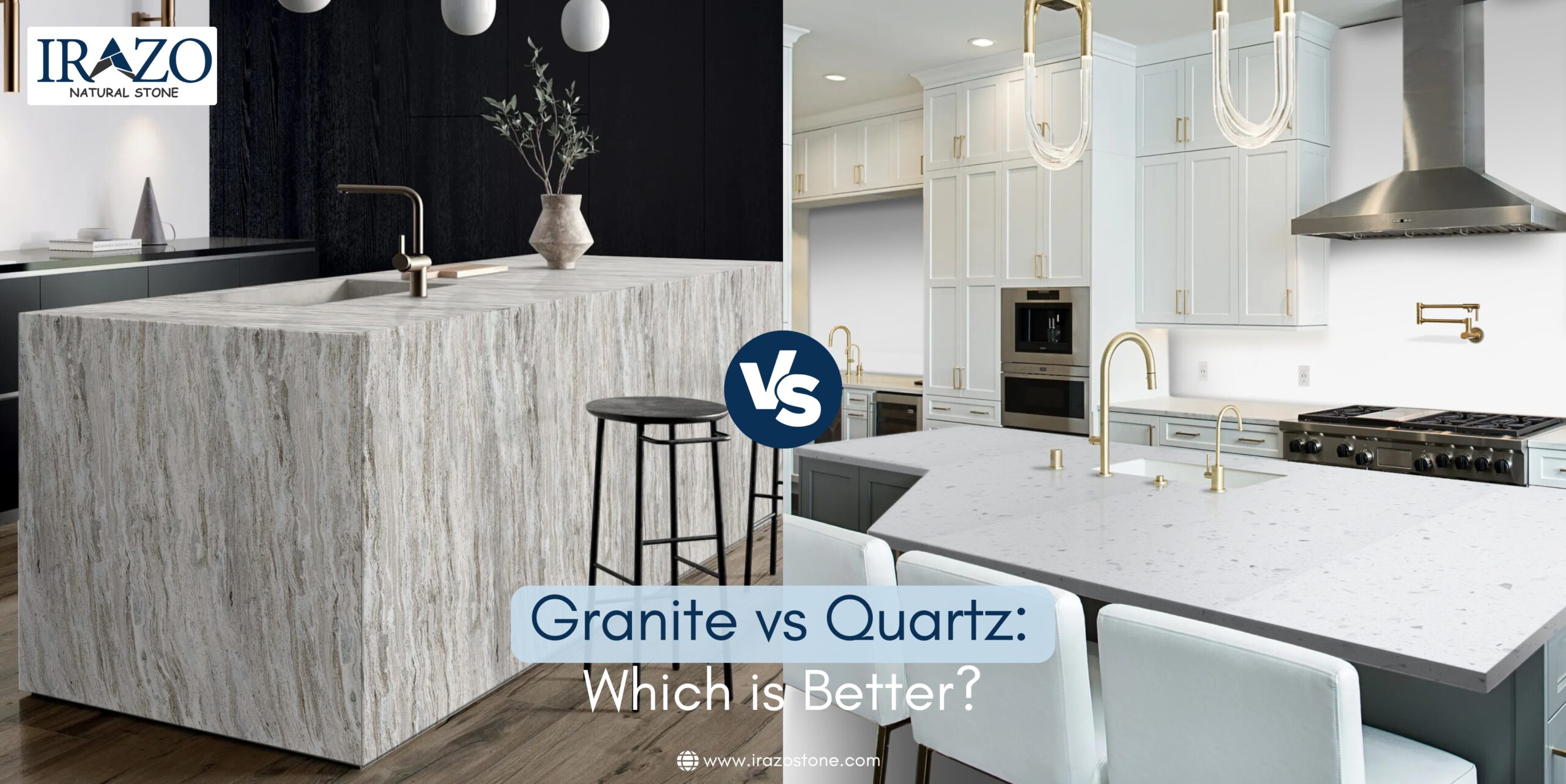
When you start looking for new countertops, the question always comes up: granite or quartz? Both materials look strong and beautiful, but one stands out as the better choice for most homes. Granite, a true natural stone, offers real strength, unique beauty, and long-term value that engineered quartz often cannot match.
We see how it performs in real kitchens and bathrooms across the world. This guide covers everything about granite and quartz so you can make the right decision. We focus on facts about durability, looks, care, cost, and more. By the end, you will understand why granite makes the smarter pick for lasting beauty and strength.
What is Granite? Understanding This Natural Wonder
Granite forms deep inside the Earth from magma that cools slowly over millions of years. This slow cooling creates large crystals that you can see with your eyes. The main parts include quartz (20-60%), feldspar (which gives color), mica, and other minerals like amphibole or biotite.
Key properties of granite:
- Hardness: Around 6-7 on the Mohs scale.
- Density: About 2.6-2.8 grams per cubic cm.
- Compressive strength: Very high, making it tough against impacts.
- Colors: Pink, gray, black, white, red, blue, and many patterns with specks, veins, or waves.
- Formation: Igneous rock, intrusive type (plutonic).
Granite comes in many types based on minerals and origin. Common ones include biotite granite (darker), muscovite granite (lighter), and alkali feldspar granite (pink or red tones). Each slab tells its own story from the Earth – no two are exactly the same.
Uses of granite:
- Kitchen countertops
- Bathroom vanities
- Flooring
- Wall cladding
- Outdoor paving and monuments
Granite handles heat very well. You can place hot pots straight from the stove without worry. It also lasts for decades with basic care.
At Irazo Stone, we source and process high-quality granite slabs from the best quarries in India. Our modern facility ensures every piece meets strict standards for thickness, polish, and strength. Visit Irazo Stone to see our full range of granite colors and patterns.
What is Quartz?
Quartz countertops are not solid natural quartz rock. They are engineered or manufactured stone. Makers crush natural quartz crystals (about 90-93%), mix them with resin binders (7-10%), pigments, and sometimes glass or other materials. They press this mix into slabs under high pressure and heat.
This process creates a consistent material with these features:
- Non-porous surface (no tiny holes).
- Uniform color and pattern across slabs.
- Hardness: Often rated 7 on Mohs scale due to the quartz content.
- Many color options, including ones that copy marble or other stones.
Quartz works well for people who want the same look everywhere and easy cleaning. However, the resins can limit heat resistance. Direct high heat may cause damage or discoloration.
While quartz has its place, many homeowners return to granite for its natural feel and proven performance.
Head-to-Head Comparison: Granite vs Quartz
1. Durability and Strength
Granite is extremely tough. It resists scratches and impacts well in daily use. Its natural structure handles heavy use without flexing unnaturally.
Quartz is also hard, but the resin can make it less forgiving under very heavy blows in some cases. Granite often wins for overall real-world toughness in busy homes.
2. Heat Resistance
Granite stands up to hot pans and pots much better. The stone does not burn or warp easily.
Quartz needs trivets for very hot items because resins can soften or mark around 300°F or higher. This makes granite the clear winner for serious cooks.
3. Stain Resistance and Porosity
Granite is slightly porous when unsealed, but a good sealer closes the surface well. With proper sealing (once a year), granite resists stains effectively from wine, oil, or coffee.
Quartz does not absorb liquids because it is non-porous.
4. Maintenance
Granite requires periodic sealing, but this is simple and quick. Many people prefer the natural character of granite enough to do this small step.
Quartz needs almost no special care – just soap and water.
5. Appearance and Uniqueness
Granite gives every kitchen a one-of-a-kind look. Natural variations in color and pattern make your space special.
Quartz offers matching slabs and modern, consistent designs. If you want natural beauty that feels timeless, granite wins.
6. Cost
Granite often starts at a lower price point, especially for good-quality slabs. Installed costs for granite range widely, depending on the type, but premium Indian granite from Irazo Stone offers excellent value.
Quartz can cost similar or higher for designer patterns. Over time, granite holds resale value well.
7. Longevity and Repair
Both last many years.
Granite can be repaired and polished more easily if damaged. Its natural makeup ages gracefully.
Quartz repairs can be trickier due to the engineered mix.
8. Environmental Aspect
Granite is 100% natural with minimal processing after quarrying. It comes straight from the Earth.
Quartz involves manufacturing with resins and energy use.
For the best natural granite that beats quartz in real performance, check the collection at Irazo Stone
Deep Dive into Granite Benefits
Granite offers many advantages that make it the preferred choice:
- Natural Beauty and Timeless Appeal: Each slab has unique mineral patterns formed over millions of years. This creates depth and character no engineered material can fully copy.
- Superior Heat Handling: Perfect for Indian cooking or busy family kitchens where hot vessels are common.
- High Strength and Scratch Resistance: Daily use with knives, pots, and appliances does not wear it down quickly.
- Value Retention: Homes with quality granite often see better appeal during resale.
- Variety of Finishes: Polished, honed, leathered, or flamed surfaces available.
- Eco-Friendly Choice: Minimal chemicals compared to manufactured options.
- Antibacterial Potential with Sealing: Properly sealed granite does not harbor bacteria easily.
How to Choose the Right Granite for Your Needs
Consider these factors:
- Kitchen Use: Pick heat-resistant, darker or busier patterns for heavy cooking.
- Bathroom: Lighter colors work well for vanities.
- Traffic: High-use areas need thicker slabs (3cm preferred).
- Color Matching: Irazo Stone offers hundreds of options – black galaxy, Indian mahogany, Kashmir white, and more.
- Finish: Polished for shine, honed for soft look.
- Edge Profiles: Straight, beveled, bullnose, ogee for custom style.
Measure your space carefully. Work with experts for proper installation and sealing.
Real-World Applications and Case Studies
Granite shines in family kitchens where hot cooking happens daily. It performs well in bathrooms that see moisture. Outdoor uses (with proper selection) also favor natural granite over engineered materials. Many heritage buildings use granite for its proven centuries-long durability.
Customers who buy from Irazo Stone report high satisfaction with color consistency across batches and excellent polish retention.
Final Verdict: Granite Comes Out on Top
After looking at every detail – formation, composition, performance, maintenance, cost, and beauty – granite proves the better choice for most homeowners. Its natural origin, heat resistance, unique appearance, and long-term value set it apart from quartz. While quartz has convenience, granite delivers authentic strength and character that lasts.
Do not settle for manufactured uniformity. Choose the real stone that improves with time and care.
Start your project with confidence by selecting premium granite from Irazo Stone.